Moving to Brisbane is exciting.
It is also the kind of life decision that can make you question every choice you have ever made while standing in a rental inspection queue with 40 other people, sweating slightly, holding your paperwork and wondering whether you should have moved to Hobart instead.
Only joking.
Mostly.
Brisbane is a brilliant city to live in, but choosing the right suburb is not always as simple as picking the prettiest house, the cheapest rent or the place your cousin’s friend’s neighbour said was “really nice”.
Having moved from Brisbane to the UK in 1998 and then returned home in 2010, I know what it feels like to land somewhere and need to rebuild your life from the ground up. I have also hosted international students since 2010, welcomed guests relocating to Brisbane from interstate and overseas, and now work in relocation consulting helping people settle into the city.
One thing I have learned?
People often choose a suburb before they properly understand Brisbane.
And Brisbane is sneaky like that.
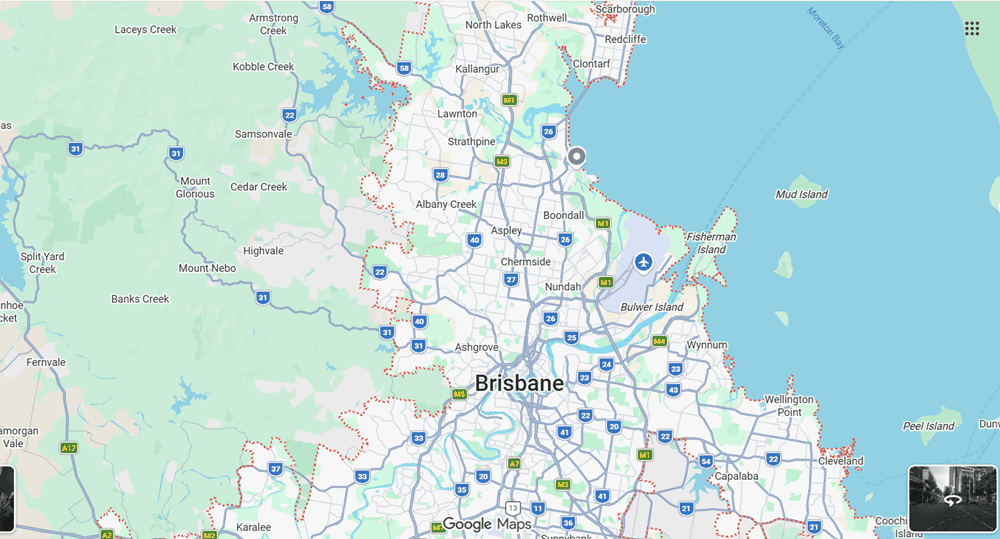
It looks manageable on a map. Then you try crossing town in peak hour, realise the river is not just a pretty blue line, and discover that “only 12 kilometres away” can mean very different things depending on bridges, tunnels, busways, traffic and whether there is a Broncos game on.
If you are moving to Brisbane, here are the most common mistakes people make when choosing a suburb — and how to avoid them.
1. Choosing a Suburb Before Understanding Brisbane’s Layout
Brisbane is not a neat little grid.
It is shaped by the river, hills, major roads, busways, tunnels, train lines and a strong northside/southside personality divide. People who already live here will casually say things like, “Oh, I don’t cross the river,” as if they are discussing international borders. The northside/southside rivalry is real!
They are only half joking.
When you are relocating to Brisbane, it is easy to look at a map and assume everything is close. In reality, two suburbs that look near each other may not be convenient at all if the transport links do not work for your daily life.
Before choosing a suburb, ask:
- Where will I work or study?
- How will I get there?
- Do I need to cross the river every day?
- Is there a train, busway or reliable bus route nearby?
- What is the commute like at peak hour?
- Will I need a car?
This is where temporary accommodation in Brisbane can be genuinely useful. Staying centrally for a few weeks gives you time to understand how the city actually works before you commit to a lease.
2. Trusting Google Maps at the Wrong Time of Day
Google Maps is helpful.
Google Maps at 10pm is also a terrible liar.
A trip that looks like 18 minutes late at night can become 45 minutes during peak hour. Add school traffic, wet weather or roadworks and suddenly your “easy commute” is a full personality test.
If you are choosing a Brisbane suburb, test the commute at the times you will actually travel.
If you will be driving to work, check the route at 7.30am and 5pm. If you will be catching public transport, check the frequency of buses or trains, not just whether a route technically exists.
A suburb with a train station or busway nearby can make daily life significantly easier, especially if you are new to the city.
Brisbane’s 50-cent public transport fares are a big bonus, but cheap fares are only useful if the service actually gets you where you need to go.
3. Falling in Love With a Suburb Online
Online suburb research is useful.
But it is not the same as walking around in real life.
Photos can make almost anywhere look lovely. A listing might show you the renovated kitchen, the charming deck and the leafy street. It may not show you the constant traffic noise, the awkward hill, the lack of footpaths or the fact the closest café requires a car, a packed lunch and a small emotional support snack.
Before signing a lease, spend time in the suburb if you can.
Visit during the day. Visit in the evening. Walk the streets. Get a coffee. Check where the supermarket is. See how it feels when people are actually out and about.
Ask yourself:
- Does this feel like somewhere I would enjoy living?
- Is it walkable?
- Are there shops, cafés or parks nearby?
- Does it feel safe and comfortable to me?
- Would I be happy coming home here at night?
A suburb is not just a postcode. It is your daily life.
4. Choosing Based on Rent Alone
Everyone has a budget. Of course they do.
But choosing the cheapest suburb without looking at the bigger picture can cost more in the long run.
A lower rent may come with:
- Longer commutes
- Higher fuel costs
- Extra parking costs
- Less access to public transport
- More time spent in traffic
- Fewer nearby services
- A lifestyle that does not actually suit you
Sometimes paying a little more to live somewhere convenient can save money, time and sanity.
And sanity is underrated.
Especially during a move.
When comparing Brisbane suburbs, look at the total cost of living there, not just the weekly rent.
That includes transport, parking, fuel, tolls, groceries, time and how often you will end up ordering takeaway because the supermarket is not nearby and you simply cannot face another errand.
5. Ignoring Public Transport

This is a big one.
People moving to Brisbane often assume they will drive everywhere. And yes, Brisbane is still a very car-friendly city in many ways.
But if you can live near strong public transport, you give yourself options.
That matters if:
- You are working in the CBD
- You are studying
- You are sharing one car
- You have teenagers
- You are new to driving in Australia
- You want to reduce costs
- You do not want to spend your life hunting for parking
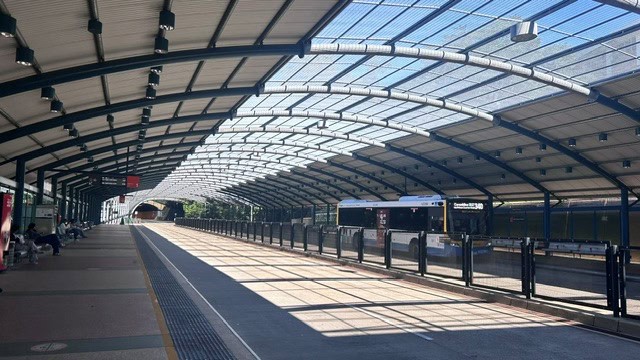
Busways are particularly useful in inner Brisbane because they can be much quicker and more direct than standard buses.
This is one of the reasons I like Kelvin Grove as a base for people relocating to Brisbane. The Kelvin Grove Busway is close, the CBD is accessible, and you can walk to many everyday essentials.
6. Not Thinking About Schools Early Enough

If you have children, schools can become one of the biggest factors in choosing where to live.
And even if you do not have school-aged children yet, school catchments can still influence rental demand, property prices and suburb popularity.
Some Queensland state schools operate under enrolment management plans, which means out-of-catchment enrolments may be restricted. In plain English: where you live can affect which school your child can attend.
This is not something you want to discover after you have signed a 12-month lease.
Before choosing a suburb, research:
- School catchment areas
- Public and private school options
- Commute to school
- Before and after school care
- Public transport for older children
- Local sporting clubs and activities
Also, do not assume the “best” school on paper is automatically the best school for your child. Visit if you can. Ask local questions. Think about the whole lifestyle.
Because school drop-off traffic is not for the faint-hearted.
7. Forgetting About Flood Risk and Local Conditions
Brisbane is beautiful.
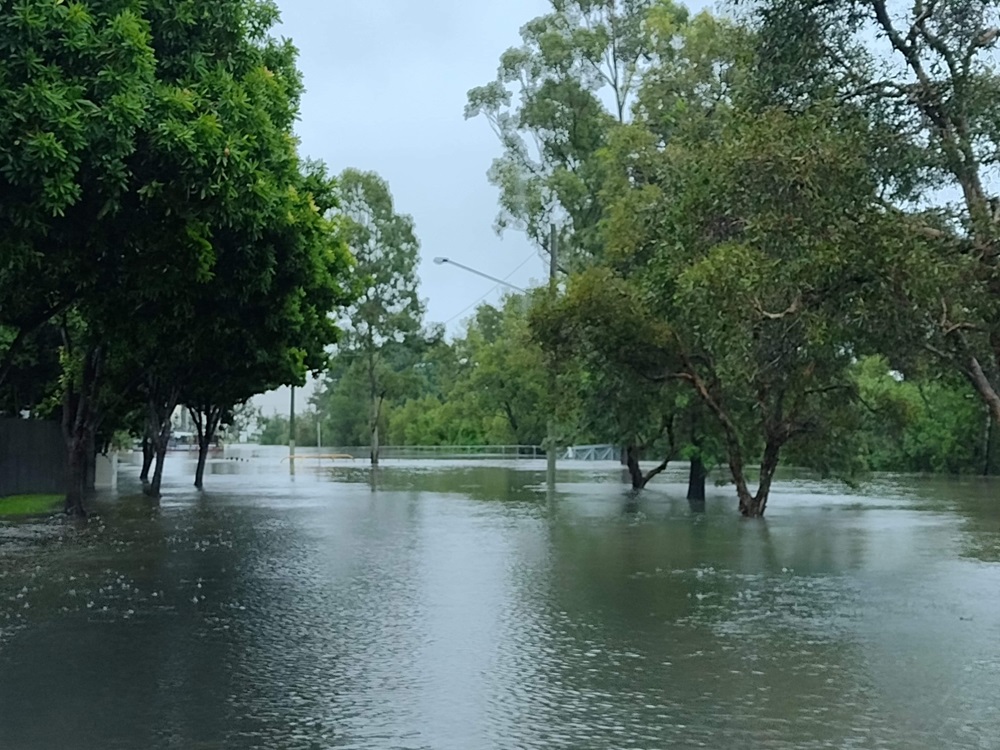
Brisbane also floods.
Not everywhere. Not all the time. But enough that you should absolutely check before renting or buying.
Some areas are more affected by river flooding, creek flooding, overland flow or stormwater issues. Two streets in the same suburb can have very different risk profiles.
Before choosing a home, check the flood information for the actual address, not just the suburb.
Also think about local conditions such as:
- Hills and steep streets
- Stormwater drainage
- Tree coverage
- Road access during heavy rain
- Parking during storms
- Summer heat and afternoon sun
This sounds boring until it is raining sideways and you are wondering why the driveway has turned into a decorative water feature.
Check first. Thank yourself later.
8. Choosing the “Best Suburb” Instead of the Best Suburb for You
People love asking, “What is the best suburb in Brisbane?”
But that is the wrong question.
Best for whom?
A young professional working in the CBD may want something completely different from a family with three children and two dogs. A healthcare worker based near RBWH will have different priorities from someone working at the airport. A student at QUT Kelvin Grove does not need the same suburb as someone wanting acreage and chickens.
Instead of asking “What is the best Brisbane suburb?”, ask:
- What do I need to be close to?
- Do I want walkability or space?
- Do I prefer character homes or newer apartments?
- Do I need public transport?
- Do I want cafés and nightlife?
- Do I need schools?
- Do I want quiet?
- How much commuting am I willing to do?
For example:
| If your priority is… | Consider exploring… |
|---|---|
| CBD access | Kelvin Grove, Spring Hill, South Brisbane, New Farm |
| QUT Kelvin Grove | Kelvin Grove, Herston, Red Hill, Newmarket |
| RBWH access | Herston, Kelvin Grove, Windsor, Newmarket |
| Character homes and cafés | Paddington, Red Hill, Ashgrove |
| Family lifestyle | Ashgrove, Newmarket, Wilston, Bardon |
| Public transport | Kelvin Grove, Newmarket, South Brisbane, Toowong |
| Walkability | Kelvin Grove, Paddington, South Brisbane, New Farm |
| Inner-city lifestyle | Fortitude Valley, Newstead, West End, South Brisbane |
There is no one perfect suburb.
There is only the suburb that works best for your actual life.
9. Not Exploring Nearby Suburbs
This is one of my favourite relocation tips.
If you like one suburb, explore the suburbs around it.
Brisbane suburbs can change quickly from one pocket to the next. Sometimes the suburb next door gives you the same lifestyle with better value, easier parking, better transport or less competition.
For example:
If you like Paddington, also look at Red Hill, Kelvin Grove and Bardon.
If you like Ashgrove, also look at Newmarket, Alderley and The Gap.
If you like Herston for hospital access, also look at Kelvin Grove, Windsor and Newmarket.
If you like South Brisbane, also look at West End, Woolloongabba and Highgate Hill.
This is where staying somewhere central while you search can make a huge difference. You can visit multiple areas, compare them properly and avoid locking yourself into a suburb based only on online listings.
Suggested internal link: Moving to Brisbane? Where to Stay While You Find a Home
10. Signing a Lease Too Quickly
I understand why people do this.
The Brisbane rental market can feel competitive. You may have a job starting, children to enrol, furniture arriving and a strong desire to just get something sorted.
But rushing into the wrong lease can be expensive and stressful.
If you are relocating to Brisbane from interstate or overseas, it can be much better to spend a few weeks in furnished accommodation while you inspect properties and learn the city.
A furnished apartment in Brisbane gives you breathing space.
You can:
- Attend inspections in person
- Test commute times
- Explore suburbs properly
- Get your paperwork organised
- Learn where you actually want to live
- Avoid signing a lease in panic mode
Panic mode is rarely where our best decisions live.
New to Brisbane? Stay Somewhere Central First
If you are moving to Brisbane and still working out where to live, staying somewhere central for the first few weeks can make the whole process easier.
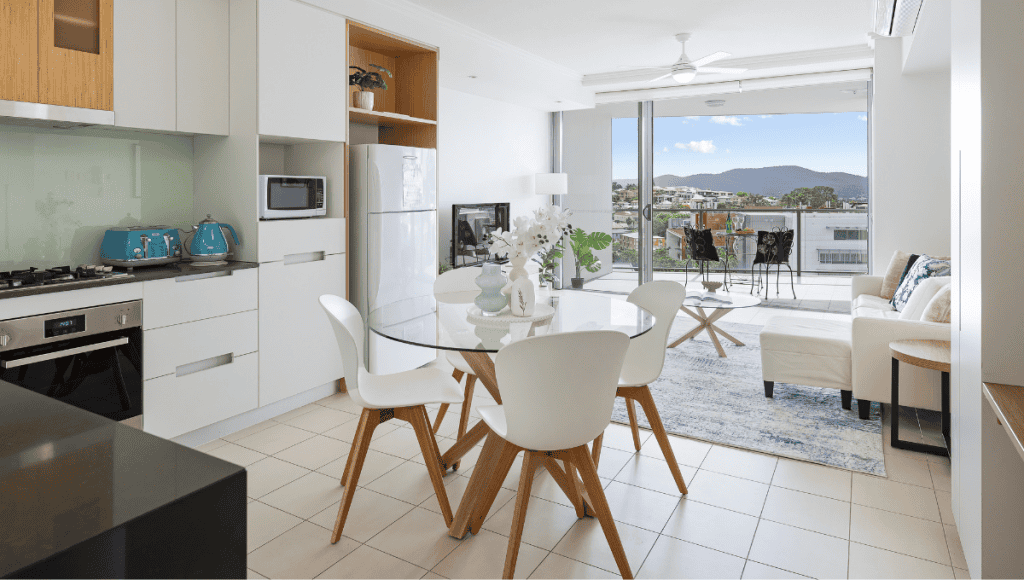
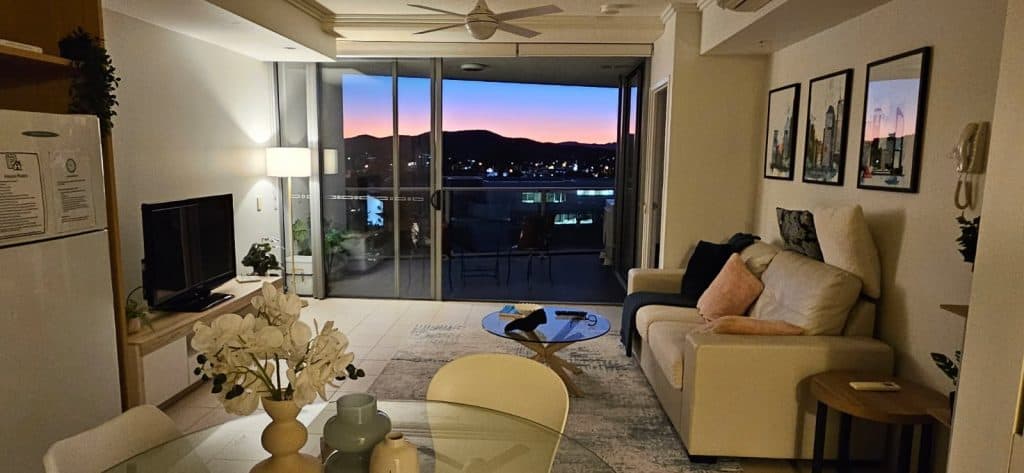
My one-bedroom apartment in Kelvin Grove is particularly suited to solo travellers and couples relocating to Brisbane who want a practical, comfortable base while they find a longer-term home.
It is close to QUT Kelvin Grove, RBWH, the Kelvin Grove Busway, local cafés, Woolworths and everyday services. It is also around a 25-minute walk (or 5 minute bus ride) to Brisbane CBD, which is a genuine bonus if you want inner-city access without staying right in the middle of the city.
The apartment includes:
- Dedicated workspace
- Free WiFi
- Free parking with EV charging
- Washer and dryer
- Self check-in
- Balcony
- Lift access
- Gym
- Two pools
- Supermarket across the street
- Kelvin Grove Busway nearby
It will not suit everyone. It is a one-bedroom apartment, so it is best for individuals or couples rather than families needing multiple bedrooms.
But if you are relocating to Brisbane and need somewhere to land while you figure out your next move, it may be exactly the kind of calm, practical base you need.
Because choosing a Brisbane suburb is a lot easier once you are actually here.
Frequently Asked Questions About Moving to Brisbane
What is the best suburb to live in Brisbane?
There is no single best suburb in Brisbane. The right suburb depends on your work location, budget, lifestyle, transport needs, schools and whether you prefer inner-city convenience or more space.
Should I rent before buying in Brisbane?
For many people relocating to Brisbane, renting first can be a sensible option. It gives you time to understand suburbs, commute times and lifestyle before committing to a property purchase.
How long should I stay in temporary accommodation when moving to Brisbane?
Many people stay in temporary accommodation for two to eight weeks while they inspect rentals, explore suburbs and settle into the city.
Is Kelvin Grove a good suburb for people relocating to Brisbane?
Kelvin Grove can be a great base for people relocating to Brisbane because it is close to the CBD, QUT, RBWH, Victoria Park and strong public transport links.
What should I check before choosing a Brisbane suburb?
Check commute times, public transport, flood risk, school catchments, local shops, parking, lifestyle fit and how the suburb feels at different times of day.
Is Brisbane easy to get around without a car?
It depends where you live. Inner suburbs with strong busway, train or ferry access can be much easier without a car than outer suburbs with limited public transport.
Should I choose a suburb based on schools?
If you have children, yes. School catchments can affect enrolment options, so research catchments before signing a lease.
Is Brisbane still growing?
Yes. Greater Brisbane continues to grow, which is one reason rental demand remains strong and why it is worth giving yourself time to find the right home.